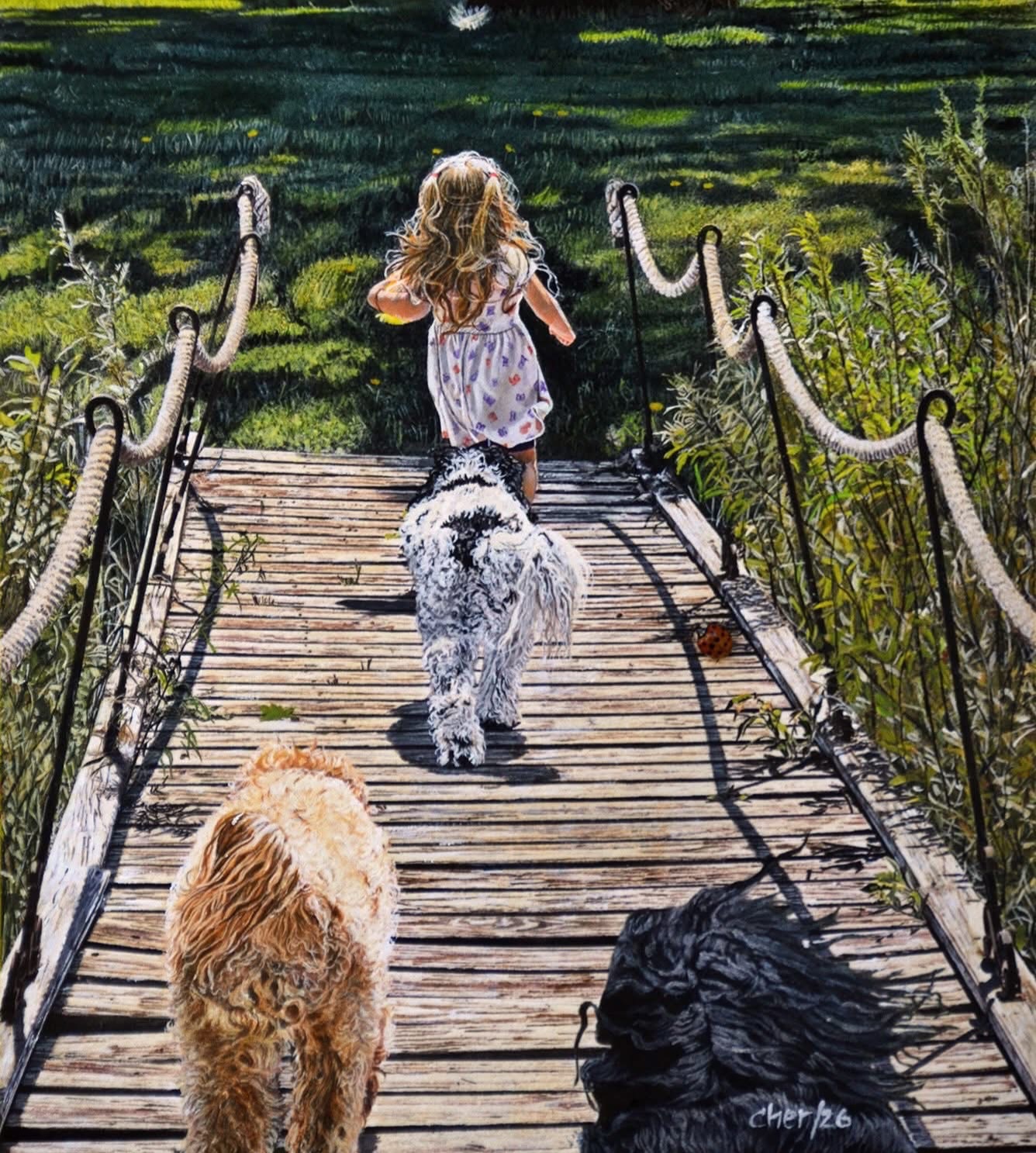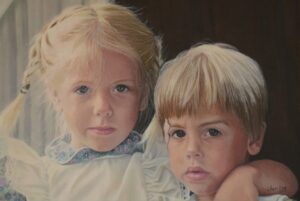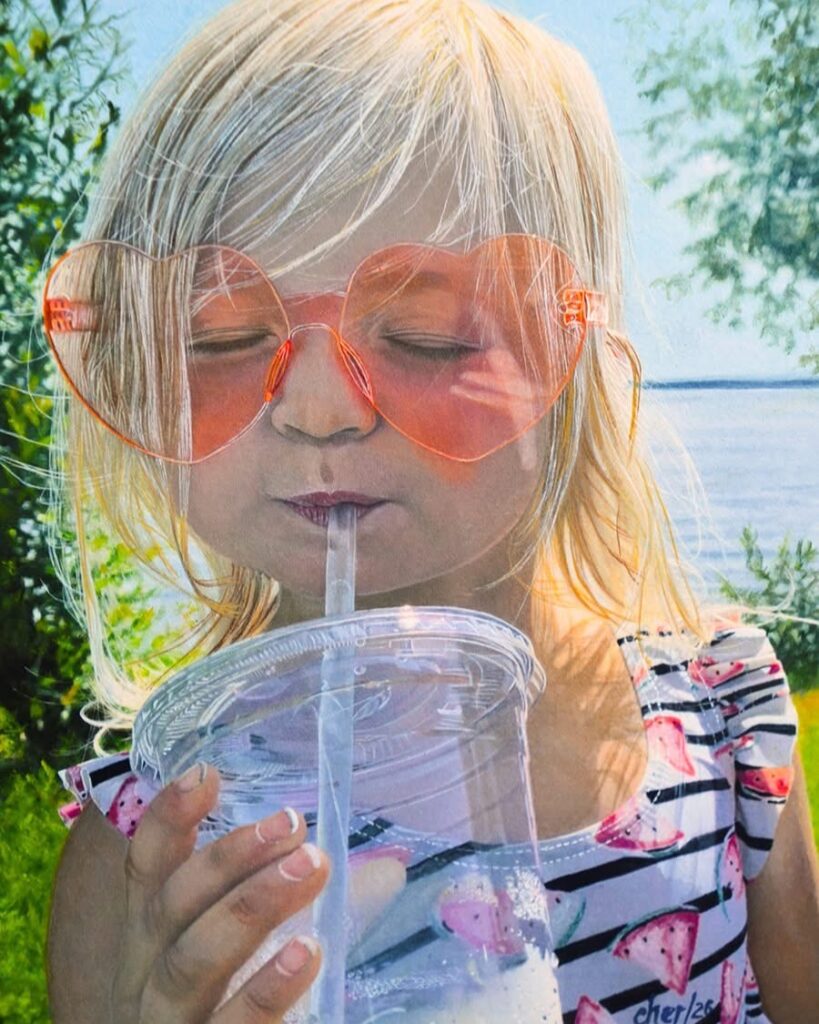
Cher Pruys is a hyperrealism painter whose work covers a wide array of subject matter. She reaches her audience by forging a personal connection, translating inner emotion, personal history, and human experiences into a visual language that her viewers can recognize within themselves. Over a prolific career, she has earned widespread industry acclaim and extensive professional honours worldwide.
How would you describe your work to someone seeing it for the first time?
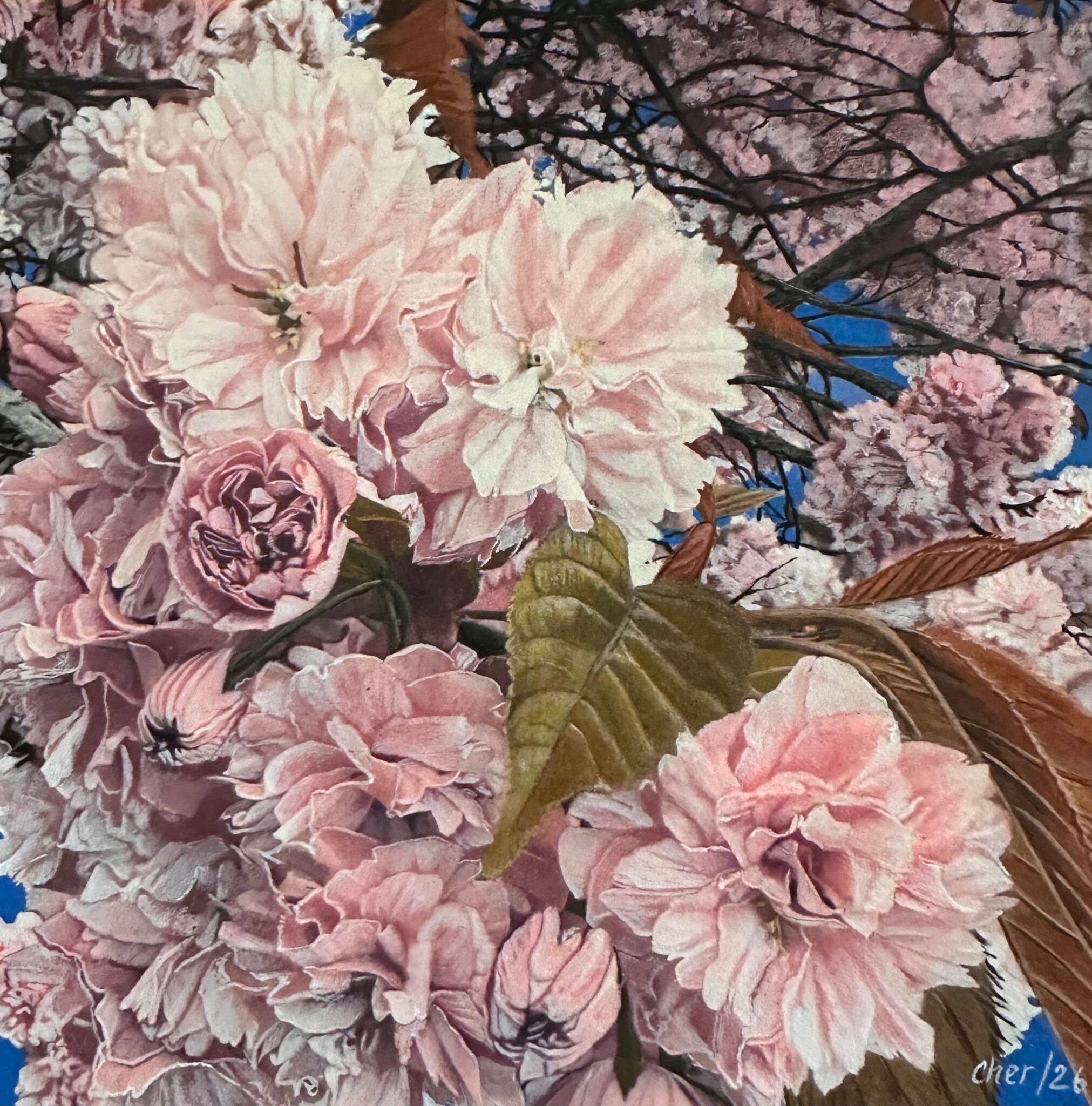
I suppose I would guide them past the initial reaction of how it looks like a photograph, to the deeper, human artistic process underneath. Explaining how a flat moment in time, has been infused with personal intent, mood and storytelling where the reference material was just a starting point, the goal a heightened illusion of living reality.
What ideas, themes, or emotions tend to show up again and again in your work?
Everyday moments really capture my attention. Ones that trigger memories or evoke a strong emotional reaction on my part quickly become my next obsession. How fleeting time is has become central to my childhood themes, and bringing joy and positivity into my work is a must. The beauty around us influences my emotional state, and choice of subject matter.
What inspires you most right now, and why?
I am so inspired by the numerous subjects I wish to capture by brush. Children especially are most inspiring to me at this time when our world is in such a dark place, and we all need hope, a breath of fresh air and some joy in our lives,
What does your creative process typically look like from start to finish?
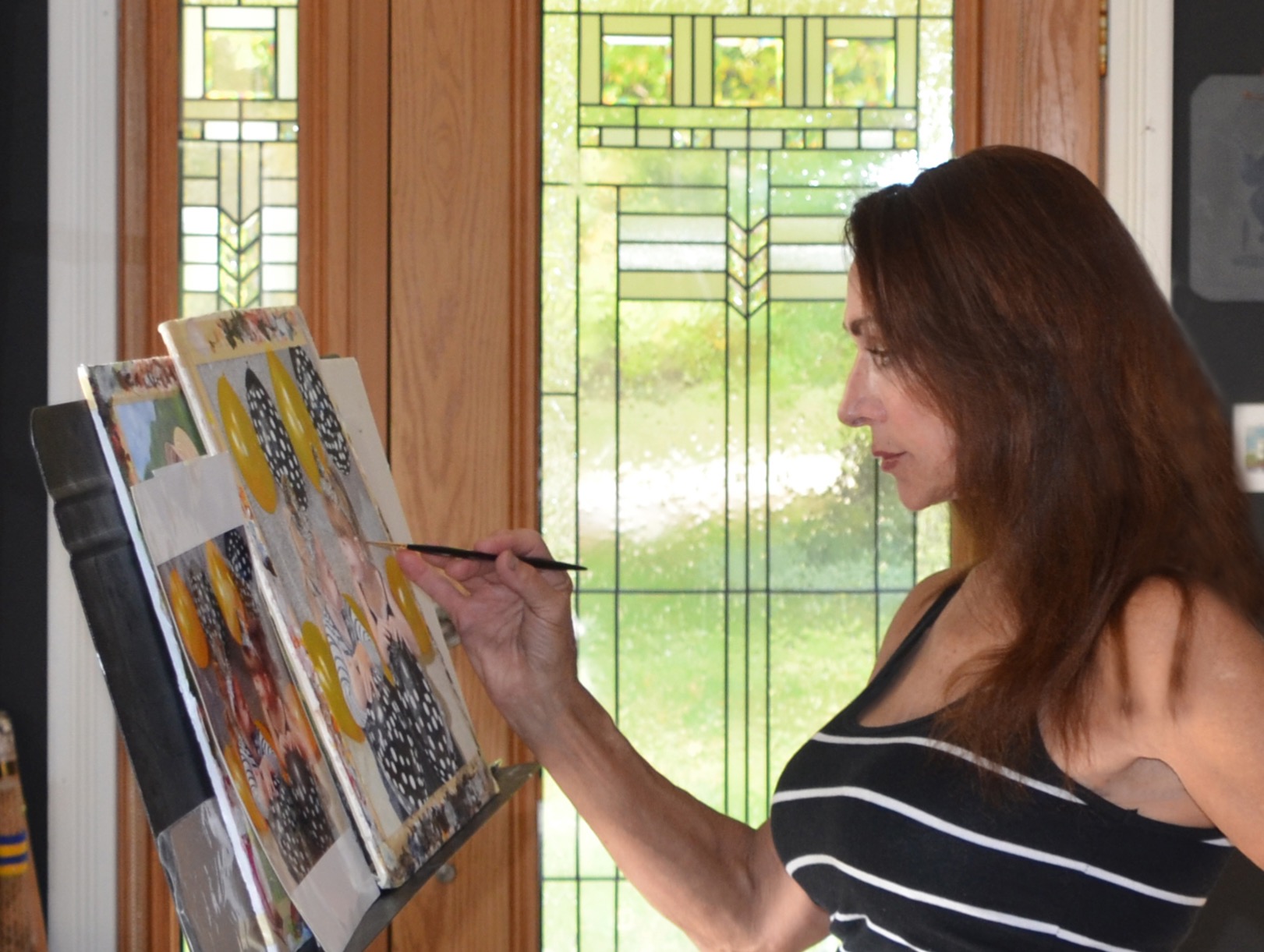
My creative process starts with a vision which then requires high resolution reference images, so hours of high resolution photography ,which then leads to lifelike drawings of the chosen subject matter. Then I do a grayscale under painting to establish values, shadows and midtones. Then I start the colour, building up dozens of transparent and semi-transparent layers. I am obsessive in my focus, working in small sections, balancing edges until I am satisfied that I have reached my desired illusion of reality.
Was there a turning point when you started taking your art/photography seriously? What happened?
I always loved art and envisioned myself an artist, dabbling in pencil and charcoal for years. I always had a camera in hand to capture whatever caught my eye. I finally picked up a paintbrush after my kids were grown and time allowed it. With the first stroke of the brush, it became an extension of my arm. The noise around me faded, the grip was instinctive and I was completely in the present moment….total surrender to my calling, inner peace and total commitment…I never looked back.
How do you know when a piece is finished?
I can be quite the perfectionist with my work, but when I feel ready to sign my name in the bottom corner, I usually know it is time to call that piece finished. At this time, I photograph the piece and then view it on my computer screen, as that is where I find I can look at it as a viewer rather than a creator and see what I might be blinded to when the work is on the easel in front of me.
What is a favorite tool, piece of equipment, or brand that you cannot live without?
I would be absolutely lost without my tiny, fine detail brushes. I use a few different kinds, but my Da Vinci Russian Red Sable’s rule! I also use a variety of brands of acrylic paints but couldn’t live without my Old Holland Acrylics.
What has been one of the biggest lessons you have learned as an artist so far?
The biggest lesson I have learnt as an artist so far would have to be that it is essential to be true to yourself. I have learned to align my creative work with my personal voice and core beliefs, not allowing myself to be swayed by trends, social media approval or market demands. I see my art as a large part of the puzzle of who I am.
What are you currently working on or exploring next?
Presently I am working on a series of paintings of children doing what they do best….exploring, discovering, playing and just being children.
What do you hope viewers feel, question, or carry with them after experiencing your work?
I hope that my viewers feel an emotional connection, one that personally resonates with them. I want my work to trigger pleasant feelings, a childhood memory, a good time… to bring a smile to one’s face, or a tear of joy to their eye….” To take my inner visions with my hands and create a work of art for you the viewer… That is the ultimate in self-expression.”