
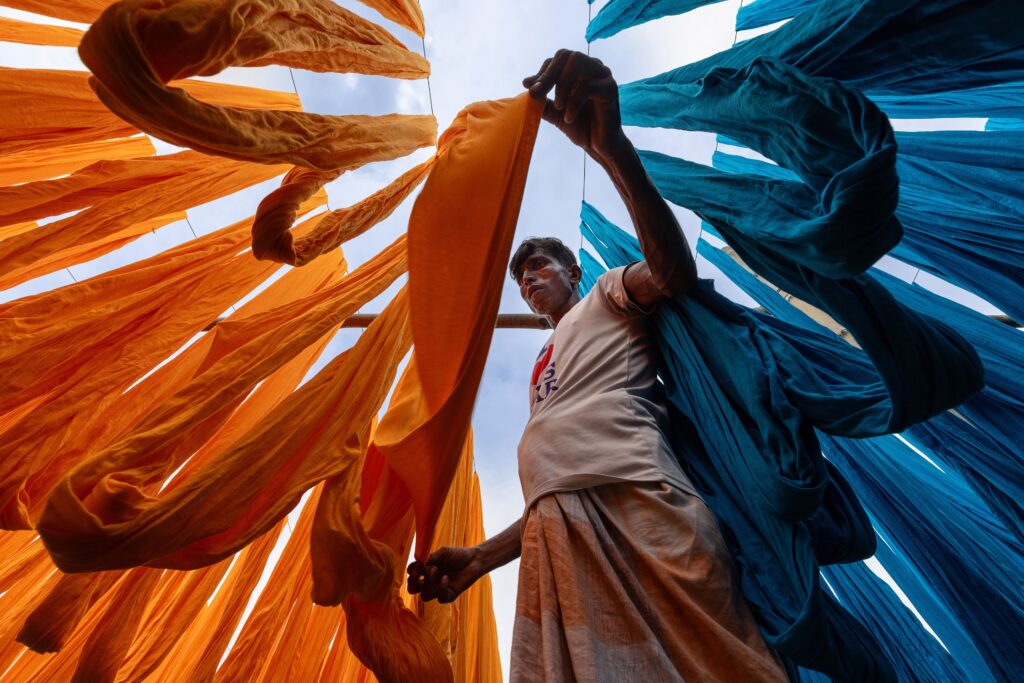
How would you describe your work to someone seeing it for the first time?
My work is rooted in photography as a way of observing, documenting, and interpreting the world around me. I work across documentary, travel, wildlife, aerial, macro, and environmental photography, often looking for moments where human life, nature, and the built environment intersect. I am drawn to images that have a strong visual structure but also tell a deeper story. Whether I am photographing a landscape from above, a fleeting human expression, wildlife, or an everyday scene, I try to create photographs that invite viewers to look beyond the surface.
What ideas, themes, or emotions tend to show up again and again in your work?
Connection is one of the strongest recurring themes in my work, the relationship between people and nature, tradition and modernity, vulnerability and resilience. I am particularly interested in stories that might otherwise go unnoticed: the dignity of ordinary people, the impact of environmental change, migration, human perseverance, and the quiet beauty of everyday life. Visually, I am also fascinated by patterns, geometry, light, scale, and moments of unexpected harmony.
What inspires you most right now, and why?
I am inspired by the constantly changing relationship between humanity and the natural world. Climate change, environmental transformation, migration, disappearing traditions, and the ways communities adapt to difficult circumstances are subjects that continue to motivate me. At the same time, I find inspiration in simple moments, light falling across a landscape, the movement of birds, a child’s spontaneous joy, or an unusual pattern seen from above. Photography allows me to connect these small moments to much larger stories.
What does your creative process typically look like from start to finish?
It usually begins with observation and curiosity. I may encounter a place, event, person, or natural phenomenon that immediately makes me want to understand its story. I research the subject when necessary, spend time observing the environment, and think about how light, composition, timing, and perspective can communicate what I am seeing. Sometimes the photograph happens within seconds; other times I return repeatedly and wait for the right conditions. After the shoot, I carefully select images and process the RAW files while trying to preserve the authenticity of the moment. My goal in editing is not to create something that did not exist, but to strengthen what I originally saw and felt.
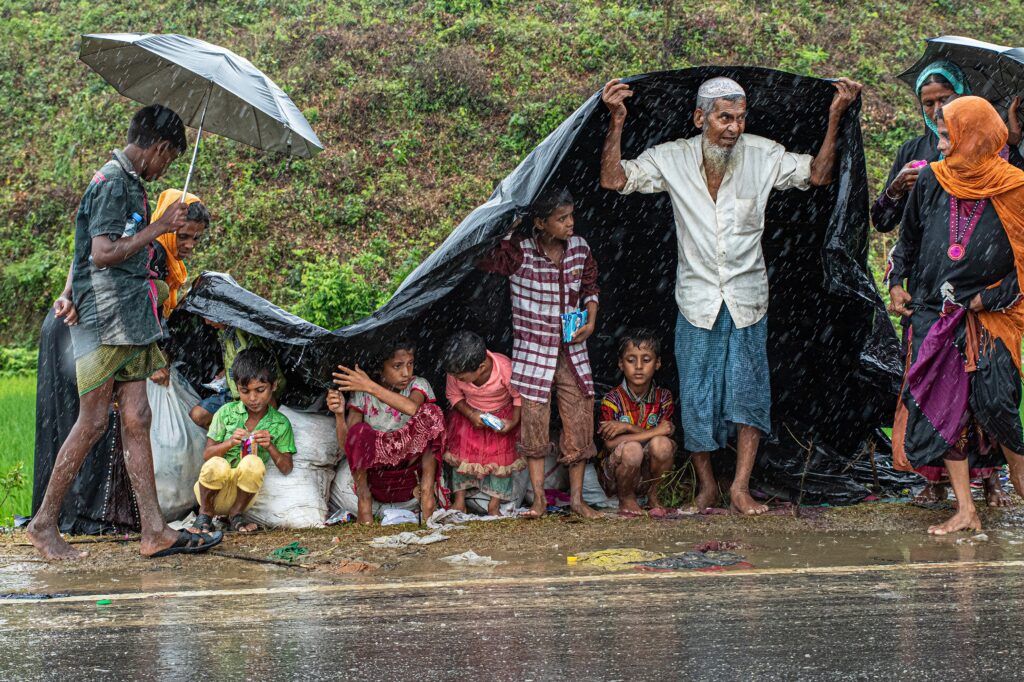
Was there a turning point when you started taking your art practice seriously? What happened?
My background in television journalism played an important role in that transition. Working as a news cameraman taught me to observe quickly, anticipate moments, work under pressure, and understand that a powerful image can communicate a story without words. I began pursuing photography professionally in 2015, and over time I realized that photography could be more than simply recording events, it could become a personal language. International recognition, publications, exhibitions, and awards have encouraged me to continue developing that language, but the most important turning point was realizing that I wanted to use photography not only to document the world, but also to make people pause and think about it.
When you’re behind the camera, what are you looking for beyond the subject itself: emotion, atmosphere, symbolism, tension, or something else, and how do you know when you’ve captured it?
I am usually looking for the relationship between the subject and its surroundings. A person is rarely interesting to me in isolation; I want to understand the environment, atmosphere, light, gesture, and visual context that give the moment meaning. I look for emotion and symbolism, but also for tension, contrast, and unexpected visual connections. I know I have captured something meaningful when the photograph begins to communicate something that cannot be explained entirely with words, when the viewer can sense a story and becomes curious about what happened before or after that moment.
Favorite tool, equipment or material you can’t live without.
My camera is obviously an essential tool, but I would say that light is the equipment I truly cannot live without. Whether it is natural light or controlled light, understanding and observing light is at the heart of my photography. In terms of equipment, I primarily work with Canon cameras and lenses, and I also use DJI drones for aerial photography. The drone has completely expanded my visual language by allowing me to see familiar landscapes from perspectives that are impossible from the ground.
What has been one of the biggest lessons you've learned as an artist so far?
One of the biggest lessons I have learned is that patience is as important as technique. You can have the best camera and understand every technical setting, but you cannot force a meaningful moment to happen. Photography has taught me to slow down, observe carefully, and be ready when the right moment appears. I have also learned not to chase recognition at the expense of personal vision. Awards and publications are wonderful acknowledgements, but the most important thing is continuing to make work that feels honest and meaningful to me.
What are you currently working on or exploring next?
I am continuing to explore the relationship between people, nature, and changing environments through documentary and aerial photography. I am particularly interested in projects that combine strong visual composition with social and environmental stories. I am also exploring more long-term photographic series rather than focusing only on individual images. At the same time, I want to continue experimenting with macro photography, wildlife, and new perspectives made possible by evolving camera and drone technology.
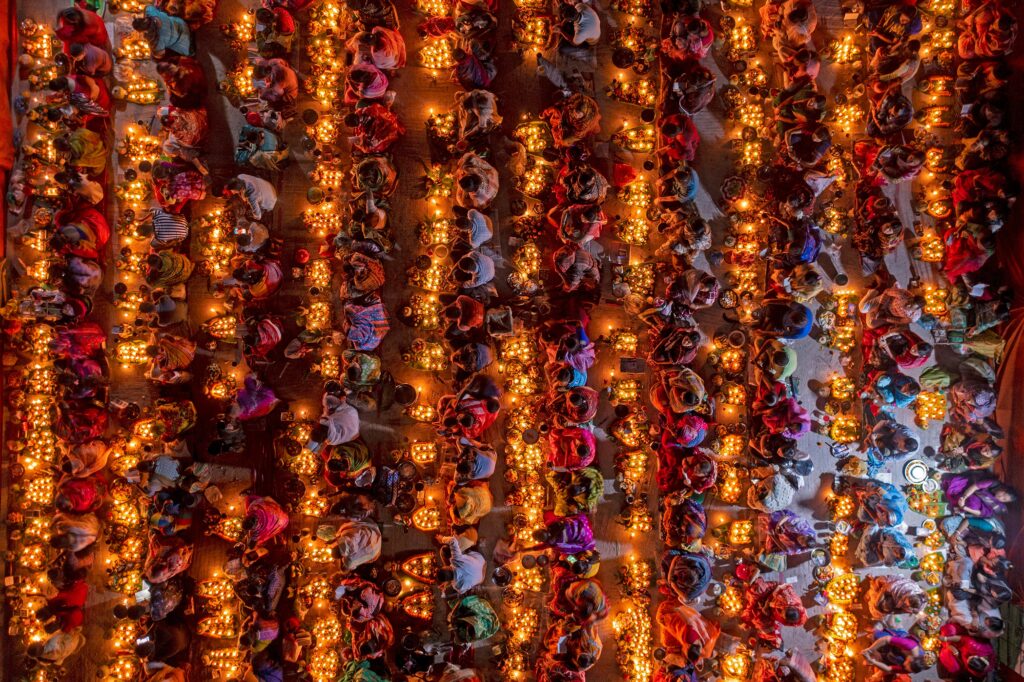
What do you hope viewers feel, question, or carry with them after experiencing your work?
I hope my photographs make people pause. In a world filled with rapidly changing images, I want a photograph to create a moment of stillness and curiosity. I hope viewers feel something, wonder, empathy, joy, concern, or even discomfort, and perhaps begin asking questions about the story behind the image. Ultimately, I want my photographs to remind people that the world is full of extraordinary stories, often hidden within ordinary moments, and that paying attention can change the way we see both people and the planet.