How would you describe your work to someone seeing it for the first time?
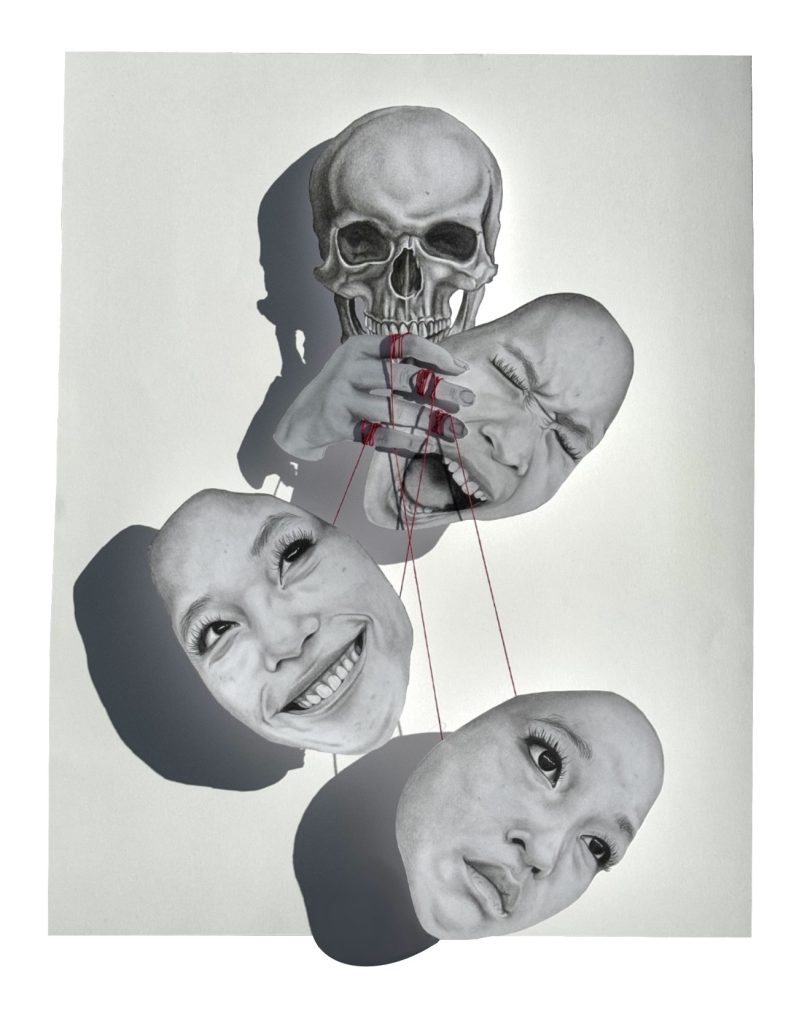
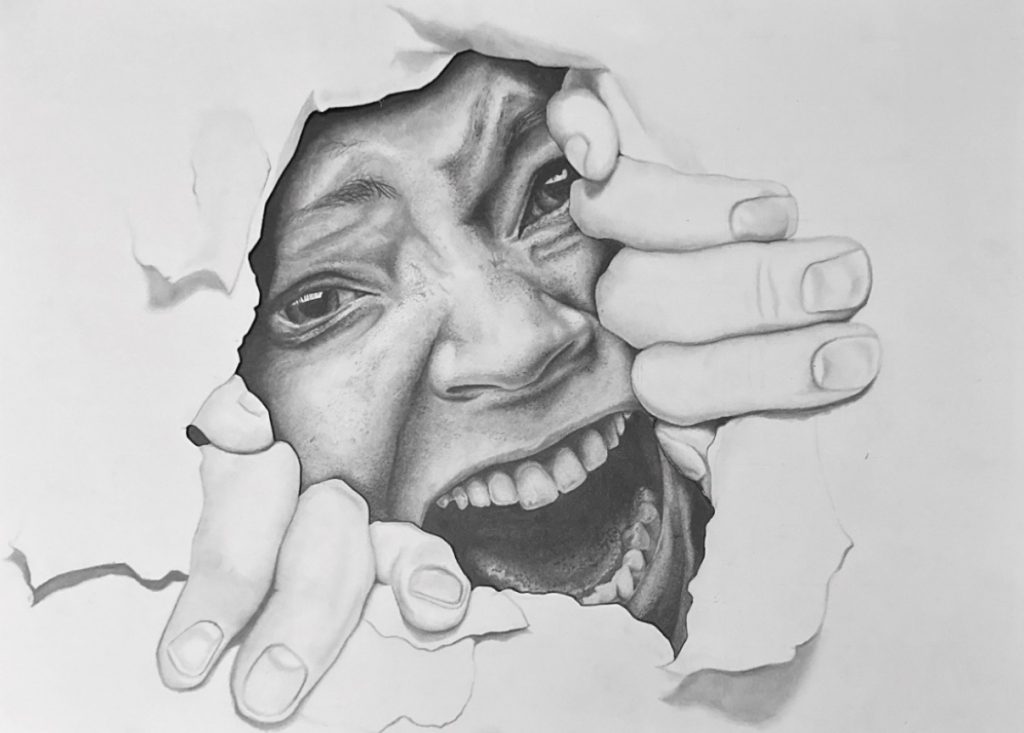
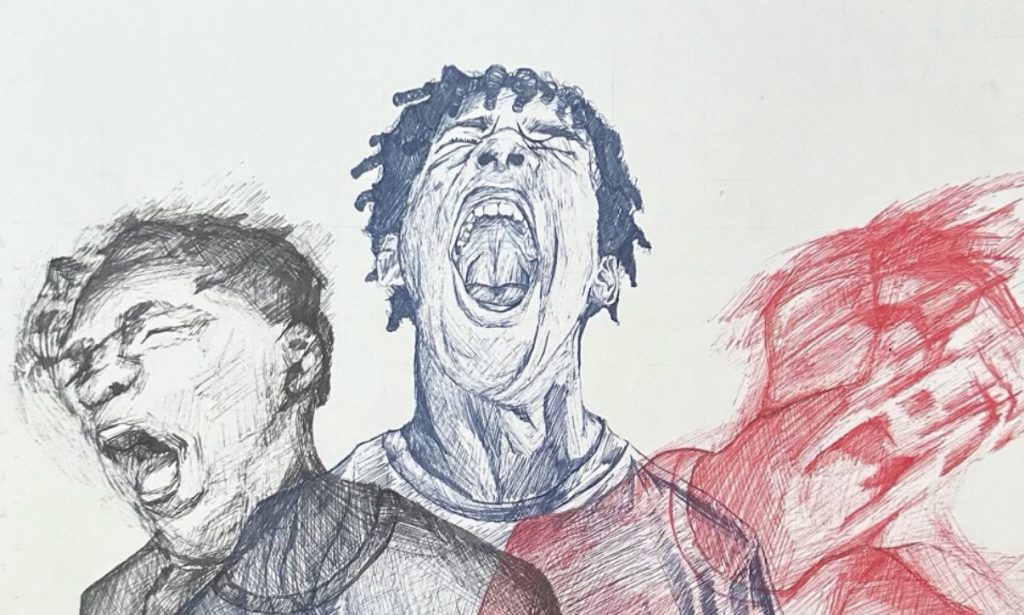
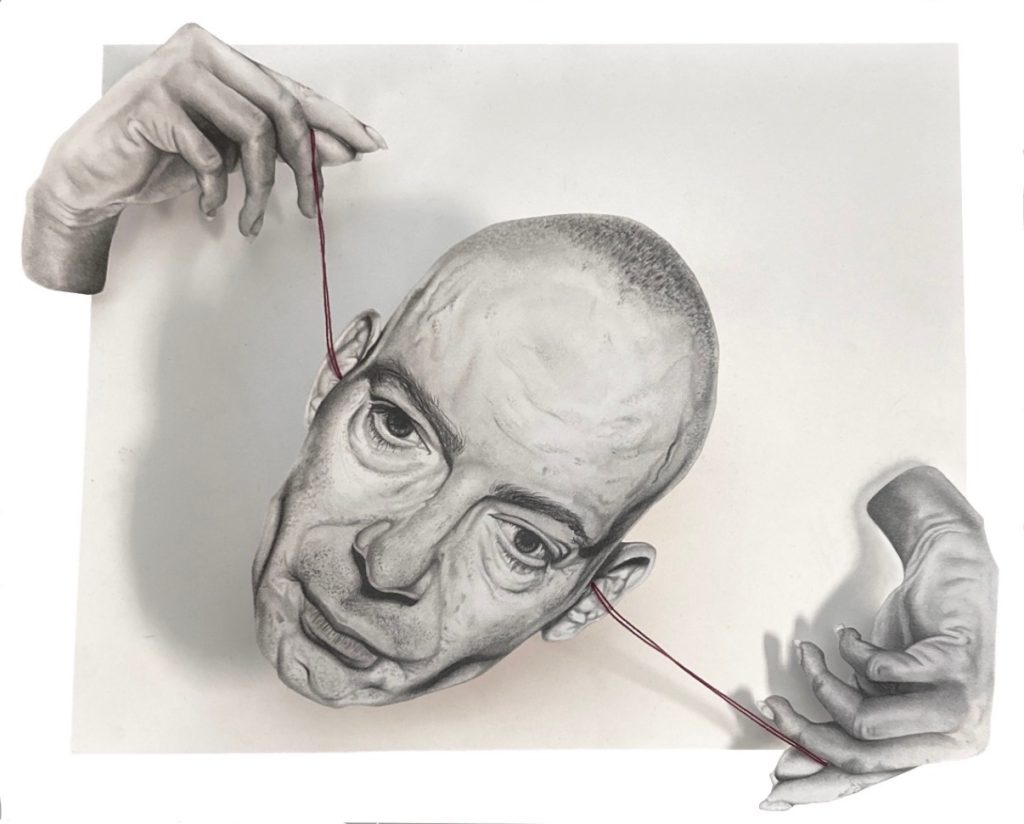
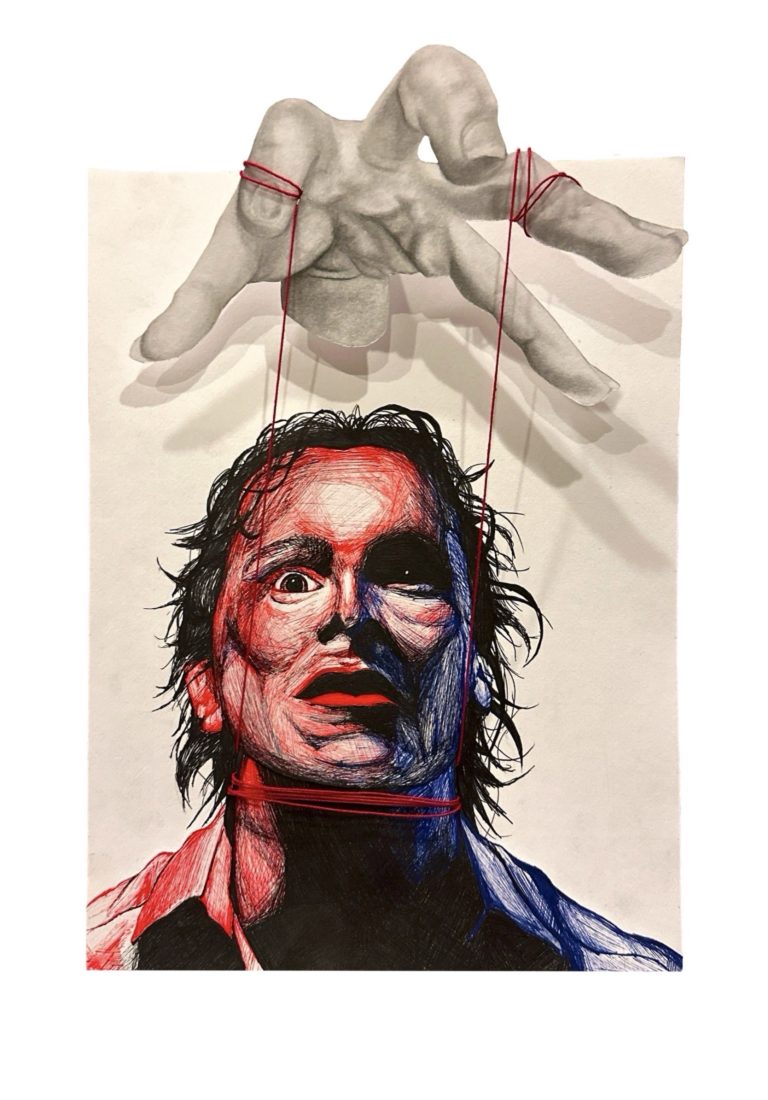
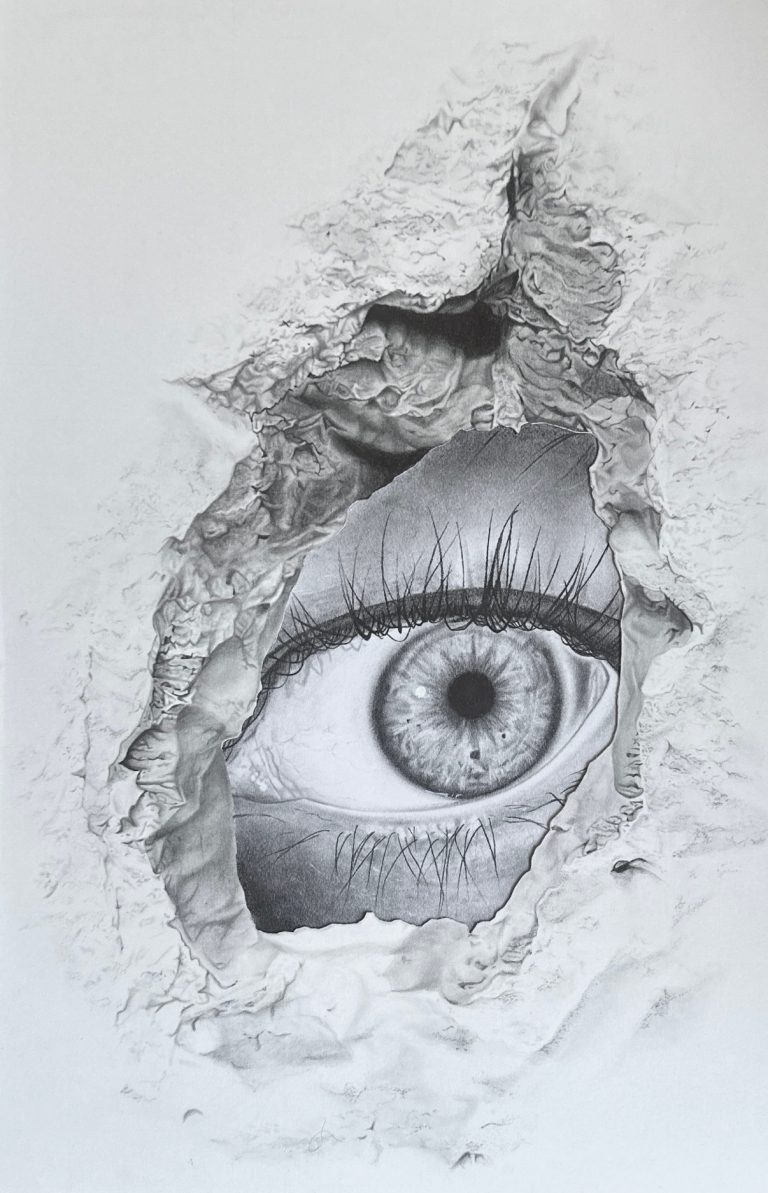
My work explores emotion through strong, intentional visuals that balance realism with symbolism. I’m drawn to creating pieces that feel personal but still leave space for interpretation. I want people to feel something first, and understand it second.
What ideas, themes, or emotions tend to show up again and again in your work?
I often return to themes of identity, internal conflict, and emotional tension. There’s usually a push and pull in my work—between control and chaos, beauty and discomfort, strength and vulnerability.
What inspires you most right now, and why?
Right now, I’m inspired by people—the way we move, act, and think. There’s something deeply compelling about the complexity of human experience. A lot of this connects to the idea of sonder, the realization that every person you pass has a life just as rich andemotional as your own, filled with thoughts, struggles, routines, and stories you may never fully understand. That perspective continues to influence how I approach my work.
What does your creative process typically look like from start to finish?
I usually start by creating a mood board for my piece(s), then go into Procreate to develop a concept sketch. From there, I like to develop my sketch as much as possible before I start adding tools to my final.
Was there a turning point when you started taking your art practice seriously? What happened?
A major turning point was realizing that I didn’t want art to just be something I was “good at”—I wanted it to be something I pursued with intention. That shift pushed me to take my work more seriously and start thinking about my voice as an artist.
How do you know when a piece is finished?
With my art, I like to sketch out my final on newsprint before I start. I know when a piece is finished when I feel that the details are added. There’s a point where the work says what it needs to say, and anything extra would take away from that clarity.
Favorite tool, equipment or material you can’t live without.
I rely heavily on my 4H pencil for initial sketching and an eraser stick for refining details. Having precise control over line work, detail, and contrast, which are essential to my process, so these tools play a key role in shaping the final piece.
What has been one of the biggest lessons you've learned as an artist so far?
One of the biggest lessons I’ve learned is that originality comes from consistency, not perfection. The more you create, the more your voice naturally develops.
What are you currently working on or exploring next?
I’m currently exploring themes of identity and self-perception in more depth, while experimenting with how different mediums can enhance storytelling in my work. At the same time, I’m beginning to branch into fashion by developing concepts for purse design, as well as working on creating prints and cards for the future!
Where can people find more of your work online (website and social links)?