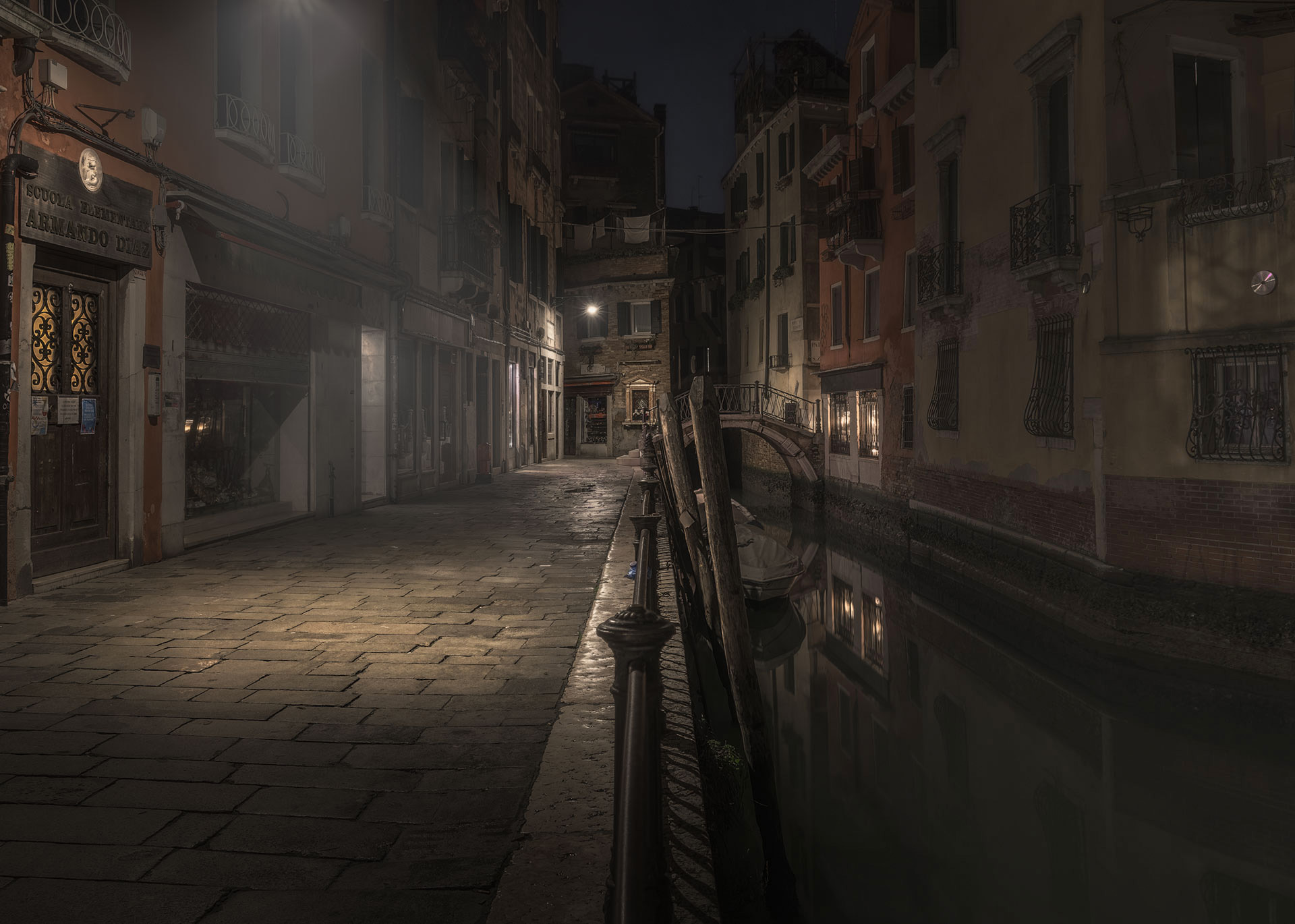
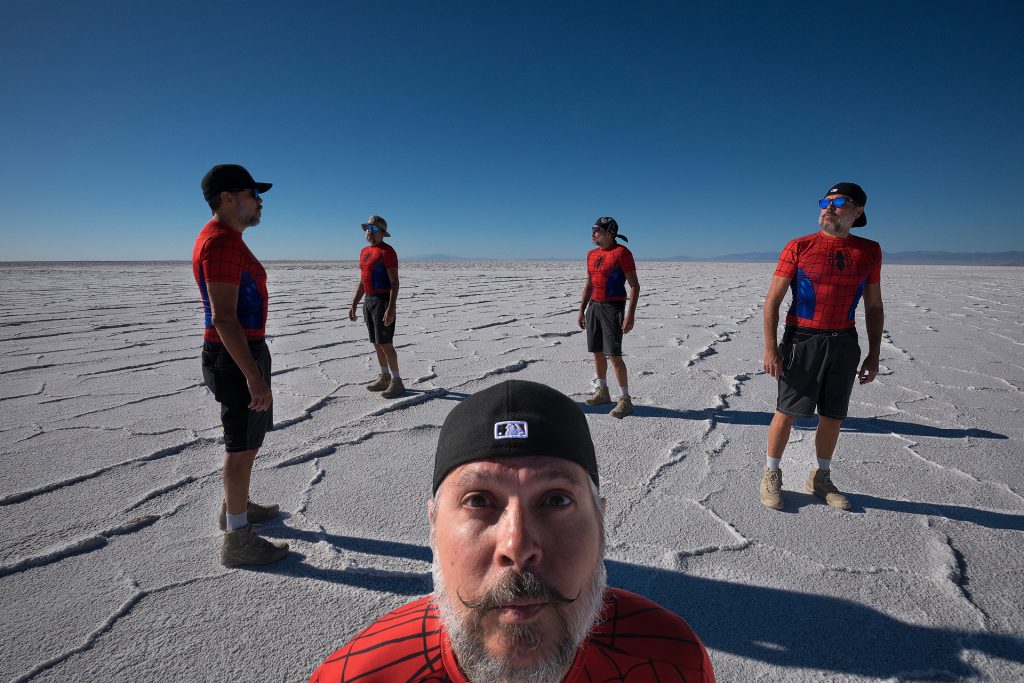
Stefano Caccia is the Blu Sky Artist Award Winner for the January 2026 edition, recognized for photography that feels both grounded and quietly electric. He describes himself as a simple “reproducer” of what his eyes see, capturing the beauty of a moment in the field, then shaping its full potential through a careful, mood-driven editing process. Water is a recurring thread throughout his work and life, a source of energy and emotion that surfaces again and again in his images. Whether he is studying landscapes with patience and intention, exploring the stark, rewarding pull of deserts, or chasing the raw, instinctive thrill of wildlife photography, Stefano’s perspective is guided by light, atmosphere, and a deep respect for nature’s rules and its rewards.
Medium: Photography
Theme: Landscapes
Notable: BSAA January 2026 Winner
I consider myself a simple reproducer of what my eyes see. I try to capture the beauty of the moment and try to grasp its potential during the editing phase. This is for landscape photography. For wild animals, which are my other passion, the approach is less studied, more physical and instinctive.
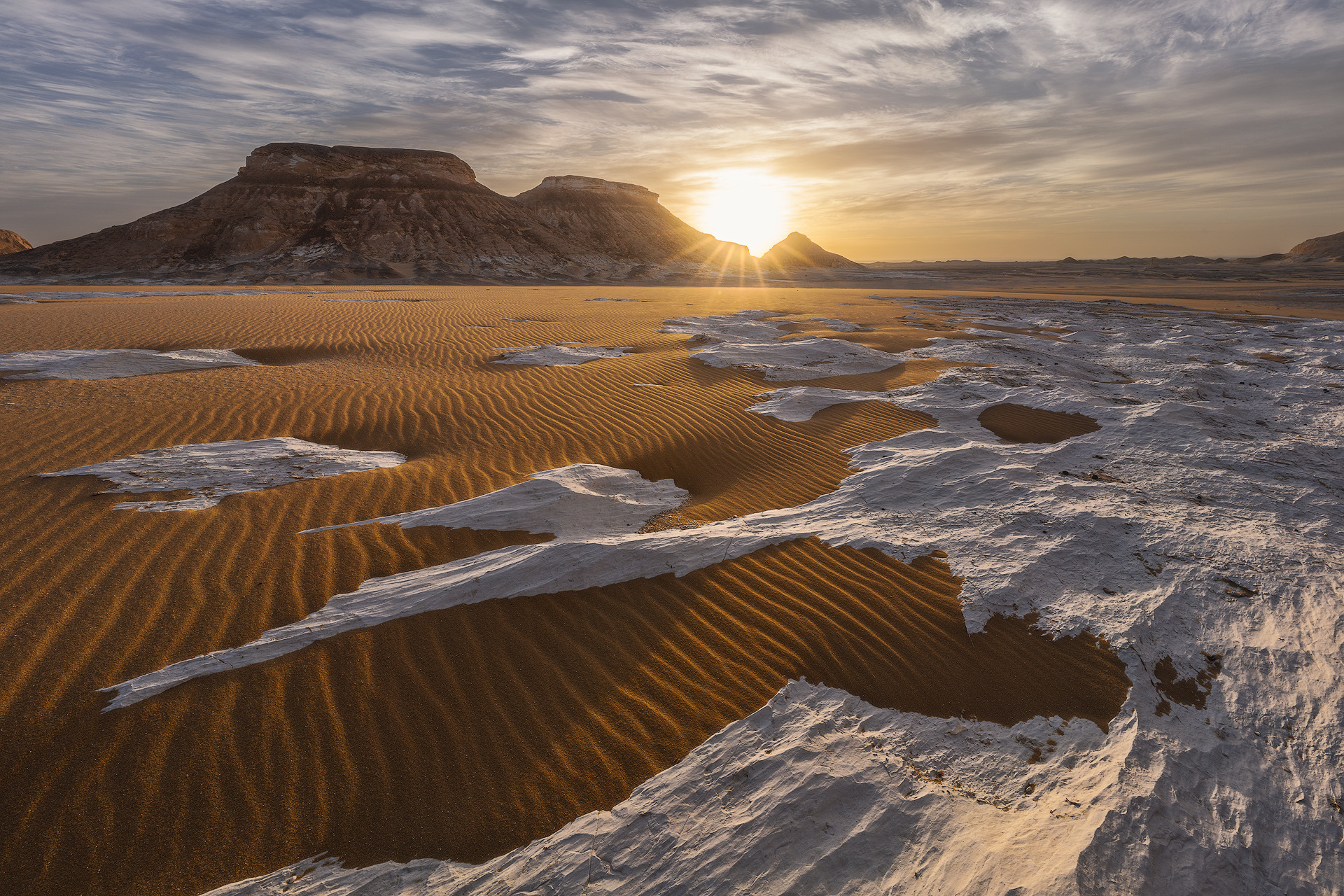
I realized that in my photos there is a recurring theme which is water. Water is somewhat of a common thread in my life. I was born and lived on an island and the place where I work is also located near a waterway. I believe I perceive, unconsciously, the strength and energy of this element which is a source of life for human beings.
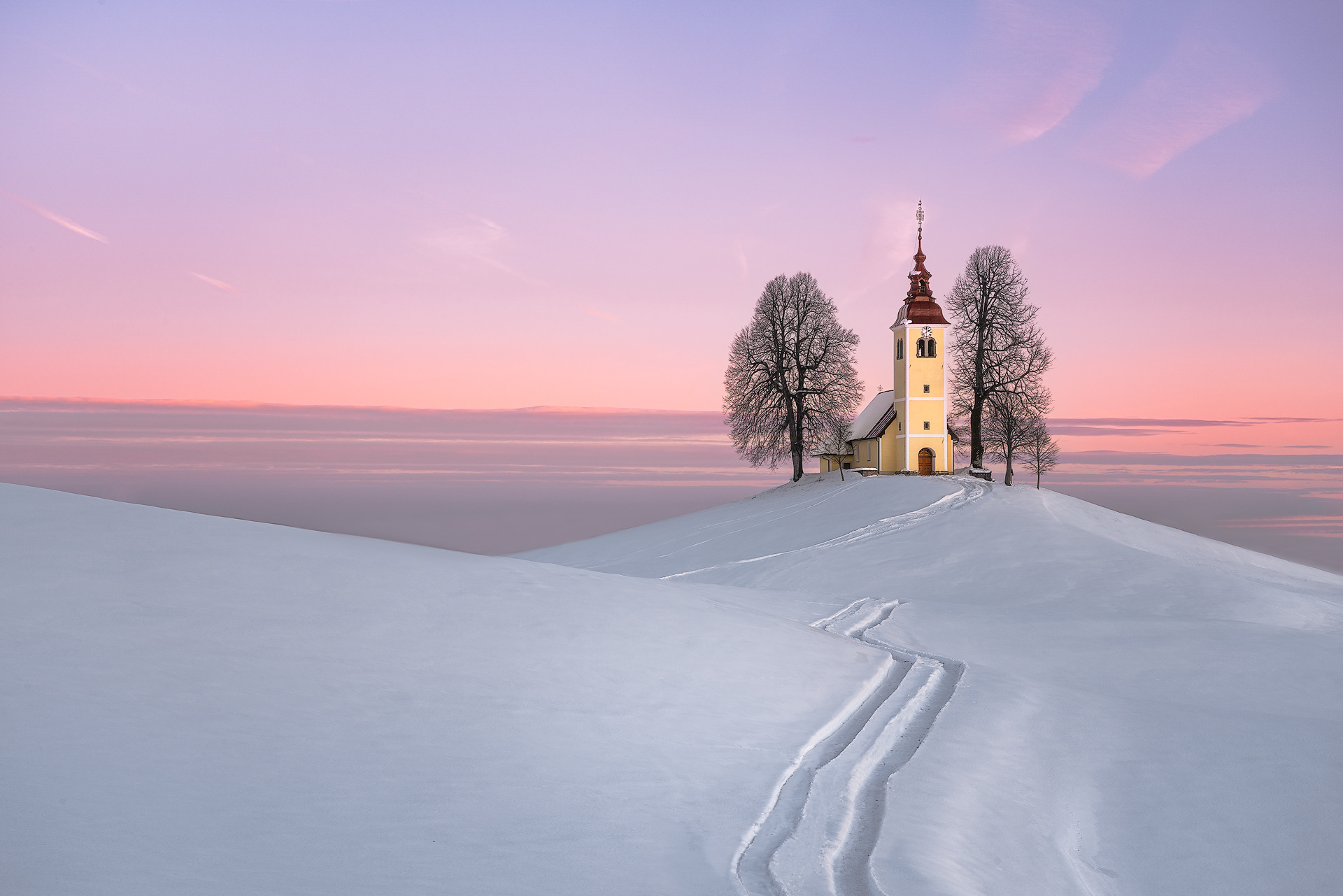
Nature is a wonderful and inexhaustible source of inspiration. Lately I have been traveling through deserts and I have discovered the beneficial effect these places have on me. They are difficult and hostile places for human settlement and this makes them unique and fascinating as much as a beautiful but unattainable woman. Places that challenge you and put you to the test but, if you follow their rules, they reward you with all the beauty and communicative power they possess.
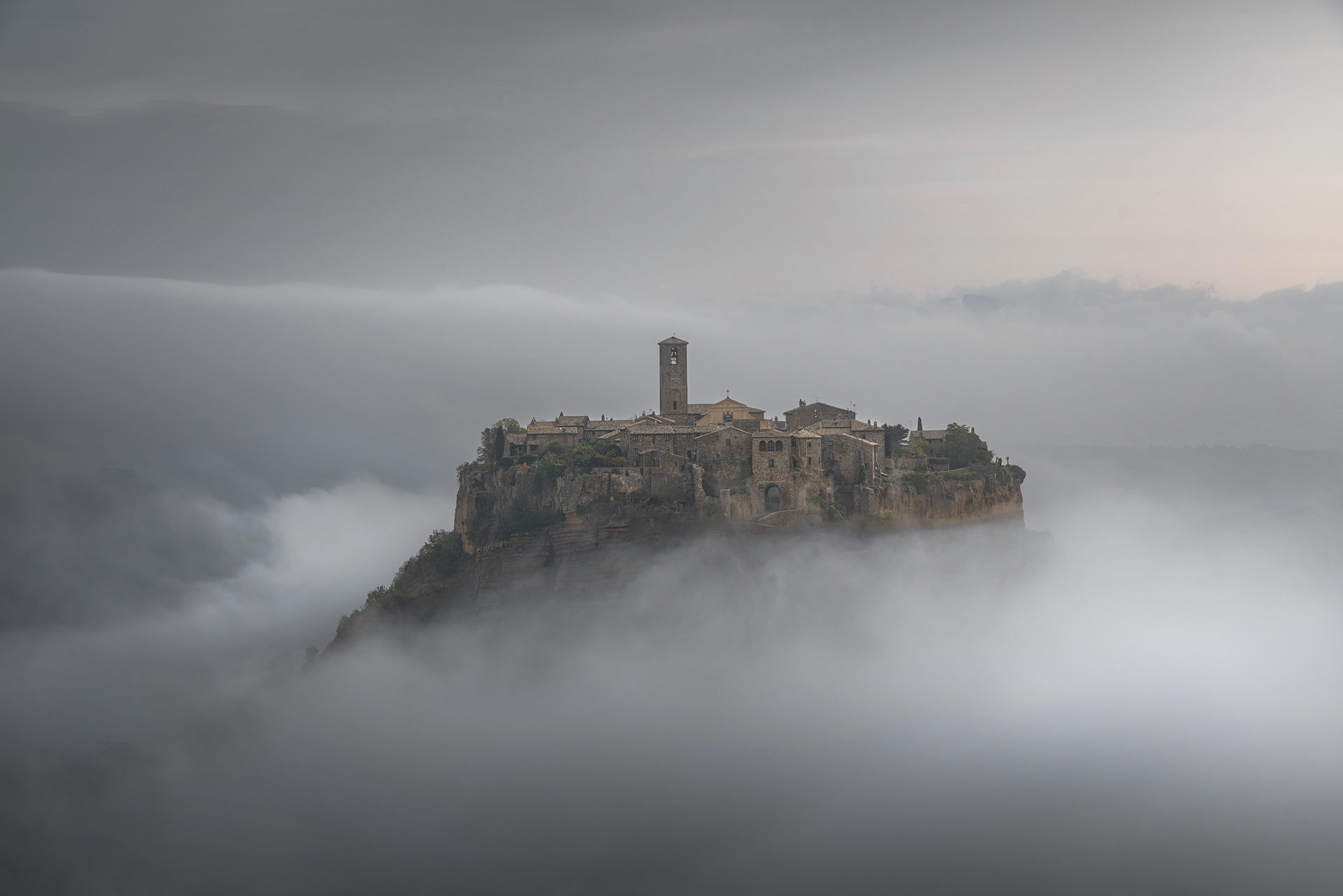
There is an image analysis process. It is the most important phase of the creative process because the entire subsequent evolution of the image will depend on it. Obviously the first corrections concern the basic elements such as: lights, shadows, contrast, hue saturation etc etc. Then begins the valorization of the lights which are emphasized, where possible, to try to give three-dimensionality to the photo. Finally, the mood that will be the final dress of the entire creative process
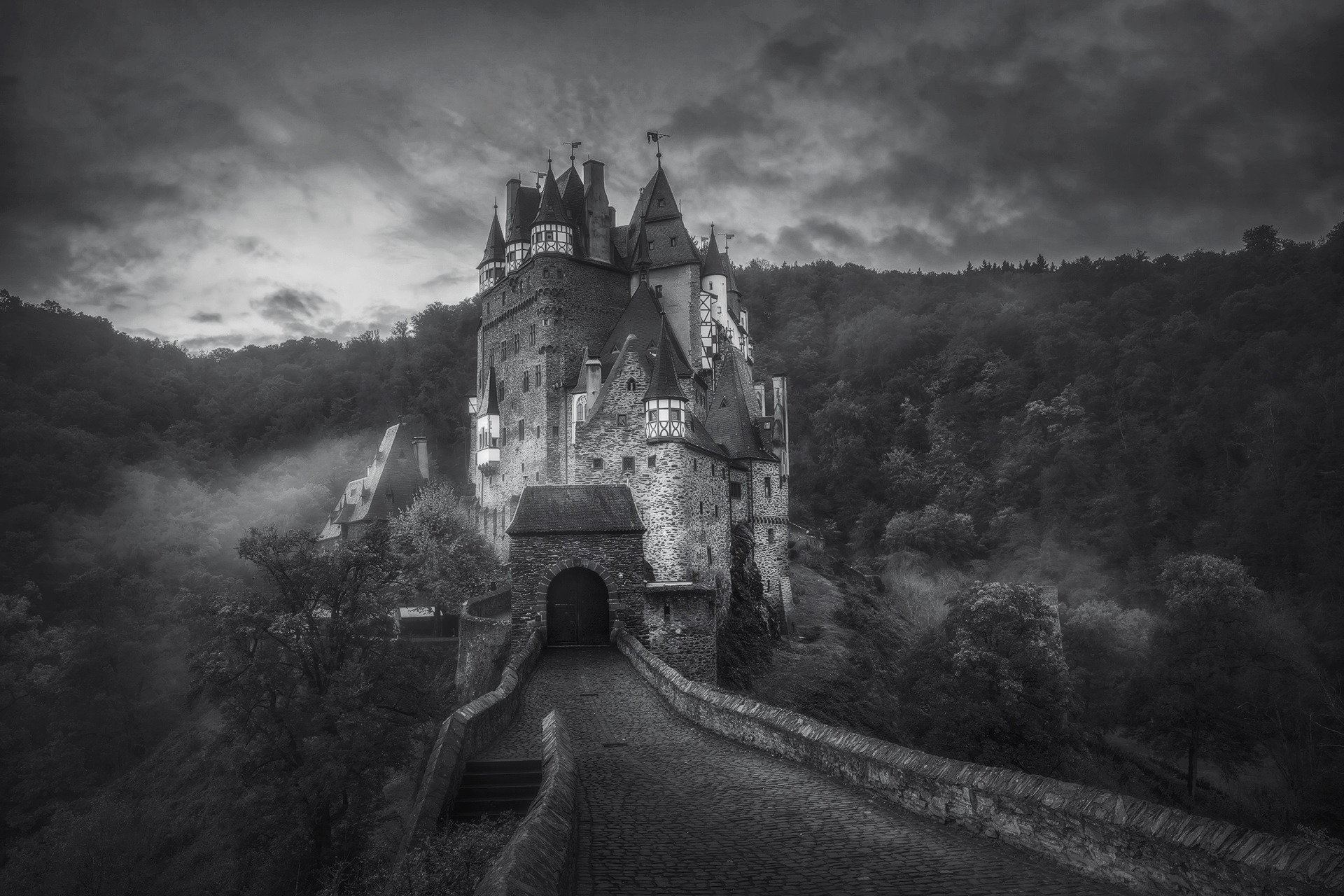
Yes there was. That’s when I turned the ISO button and discovered I could shoot without flash. It’s funny but that’s how it is. I have always had cameras at home but due to a question of laziness or time I have always refused to understand the relationship between light, time and aperture…then came ISO
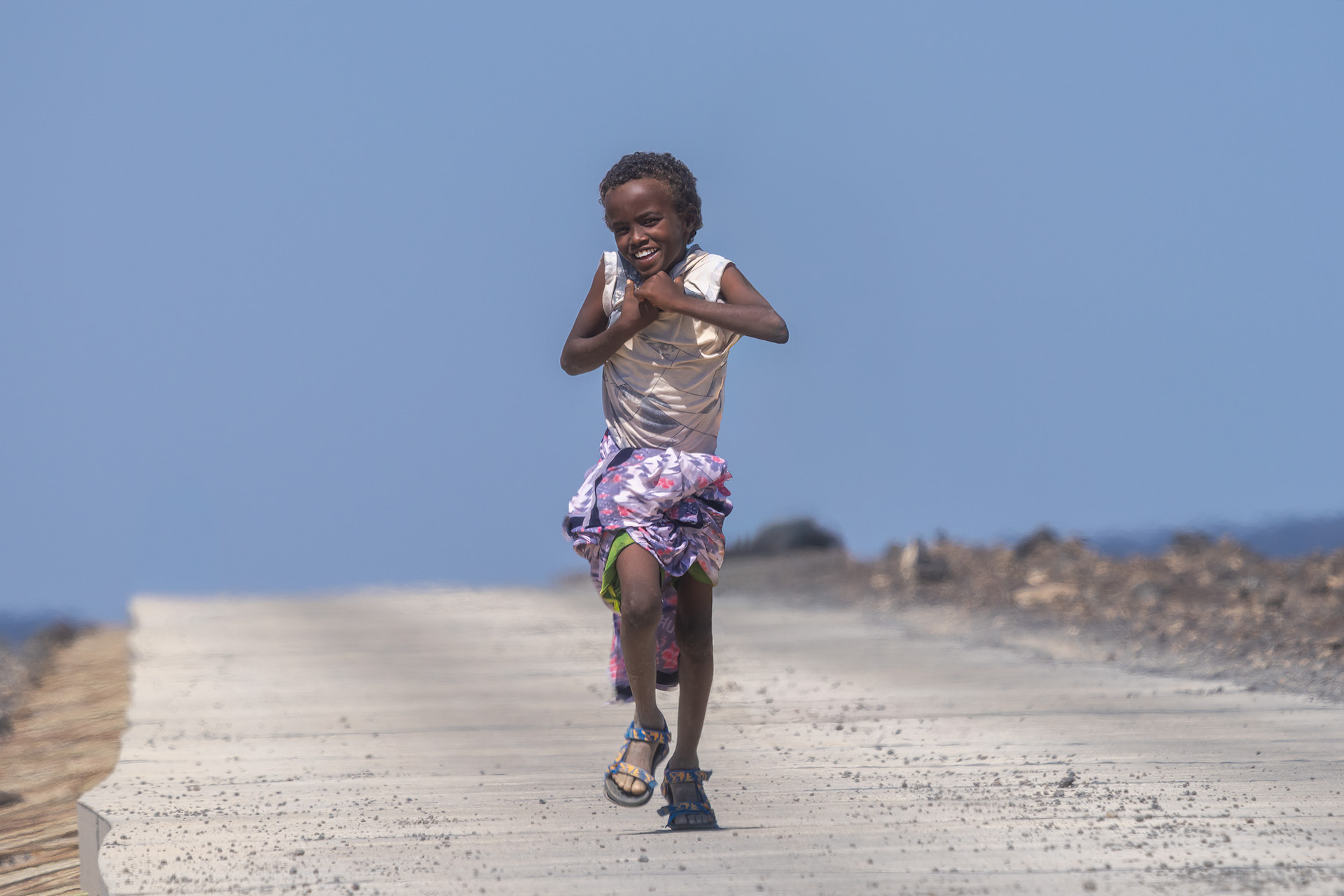
This is a very good question. It’s the same one I ask myself every time I finish editing a photo. For me a photo is never definitive and this is precisely why I happen to re-edit old photos trying to make them different or better but also worse.
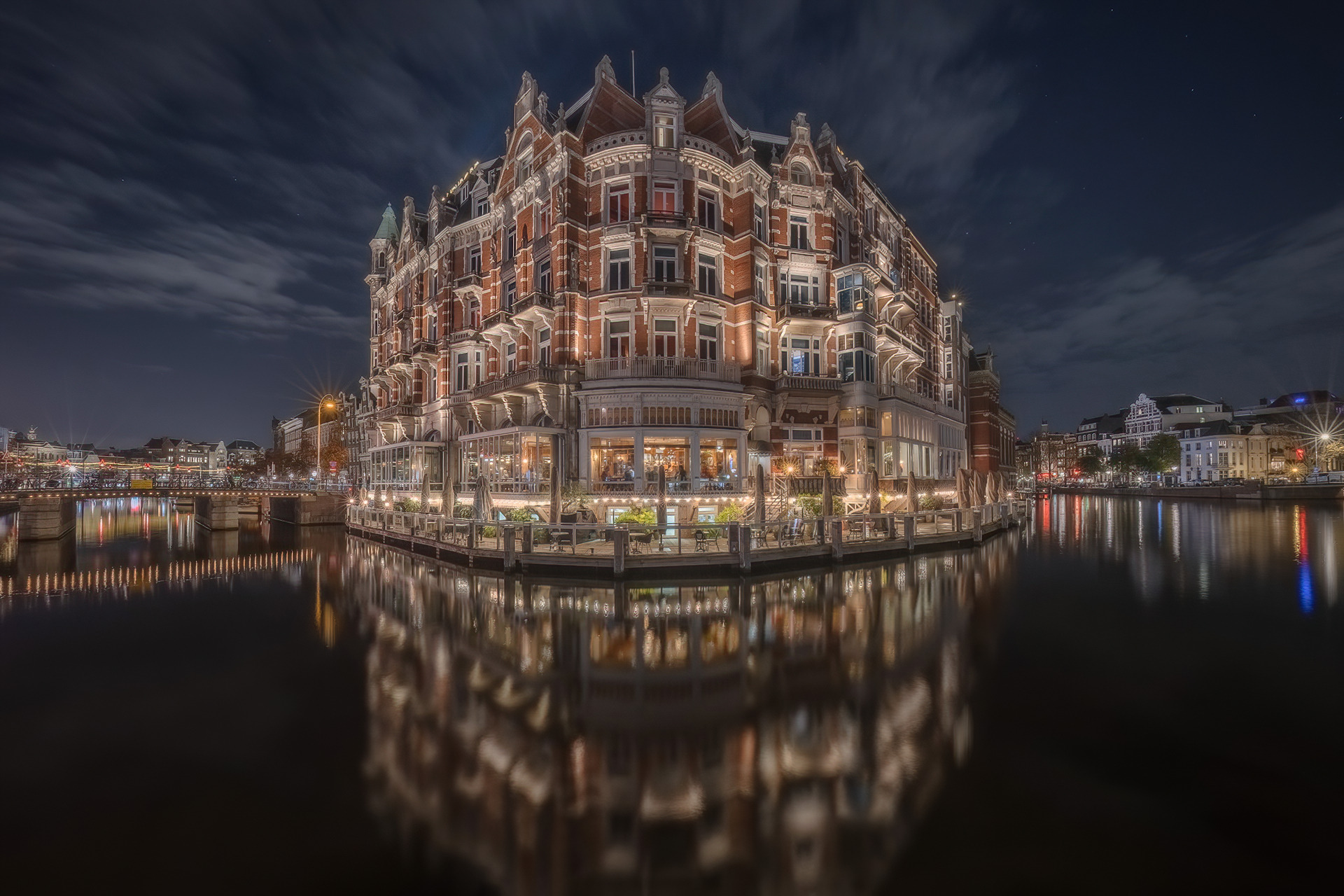
My camera body, my wide-angle lens and, lately, my drones which have made me discover new and fascinating points of view. Then certainly all my software and digital filters without which my creative process would be incomplete
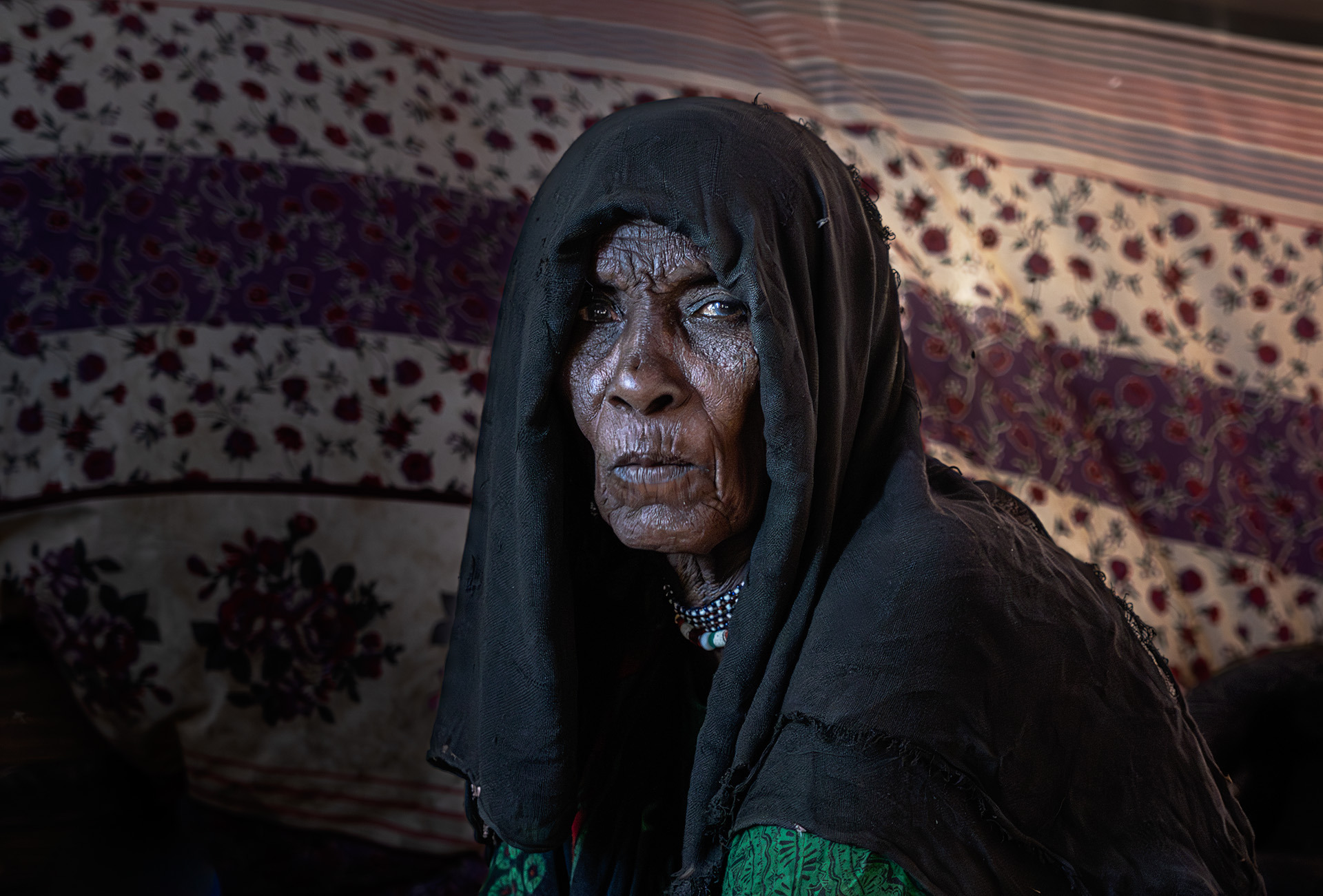
As a landscape photographer I have learned that chasing sunrises and sunsets can be frustrating and this can lead to counterproductive performance anxiety. I have learned to take my time and my space
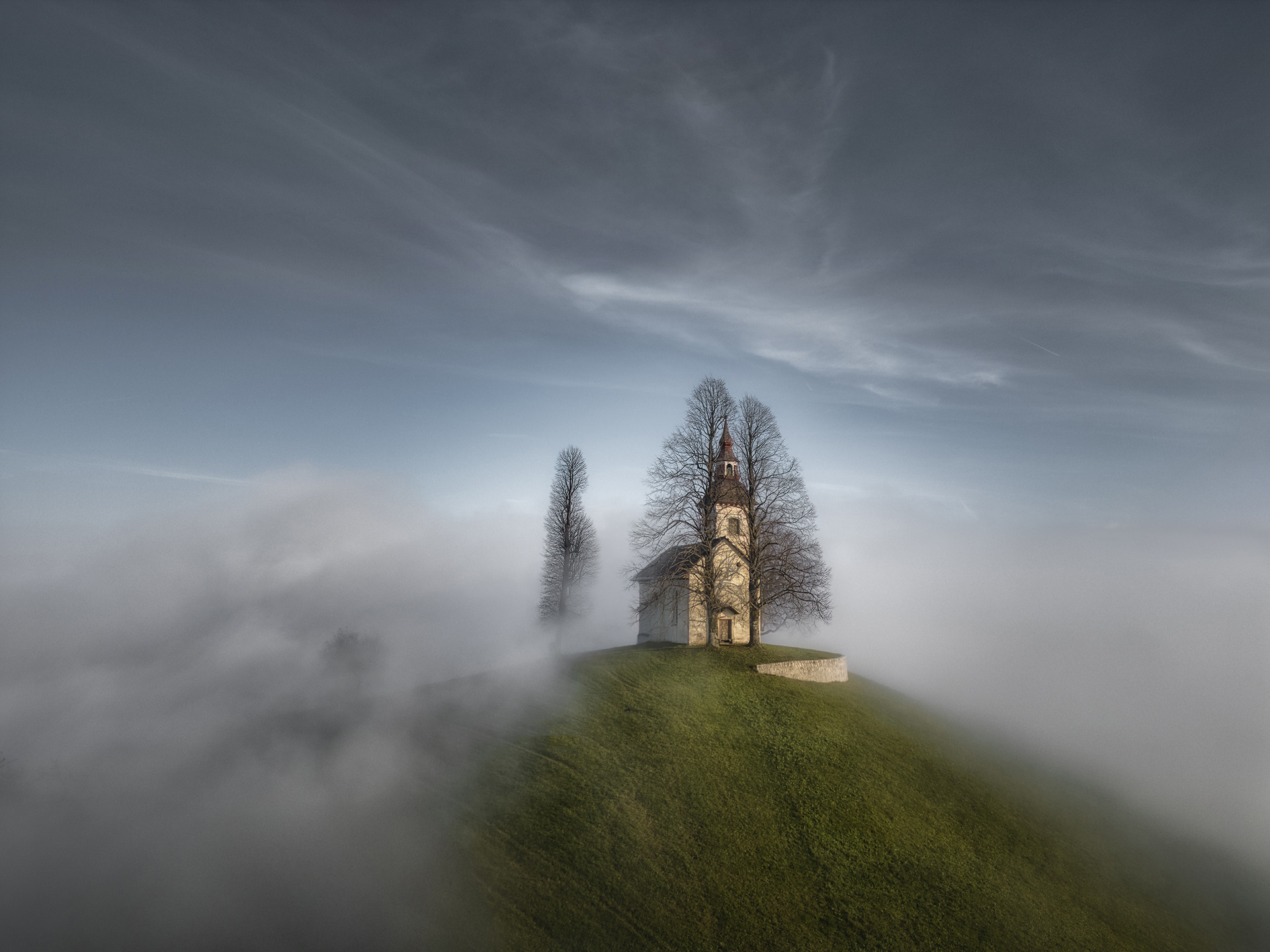
At the moment I’m not shooting much because I have a lot of material to arrange and I want to do it well. But I really want to shoot wild animals in their environment because the emotion they convey is crazy and also because it’s a completely different way of photographing.
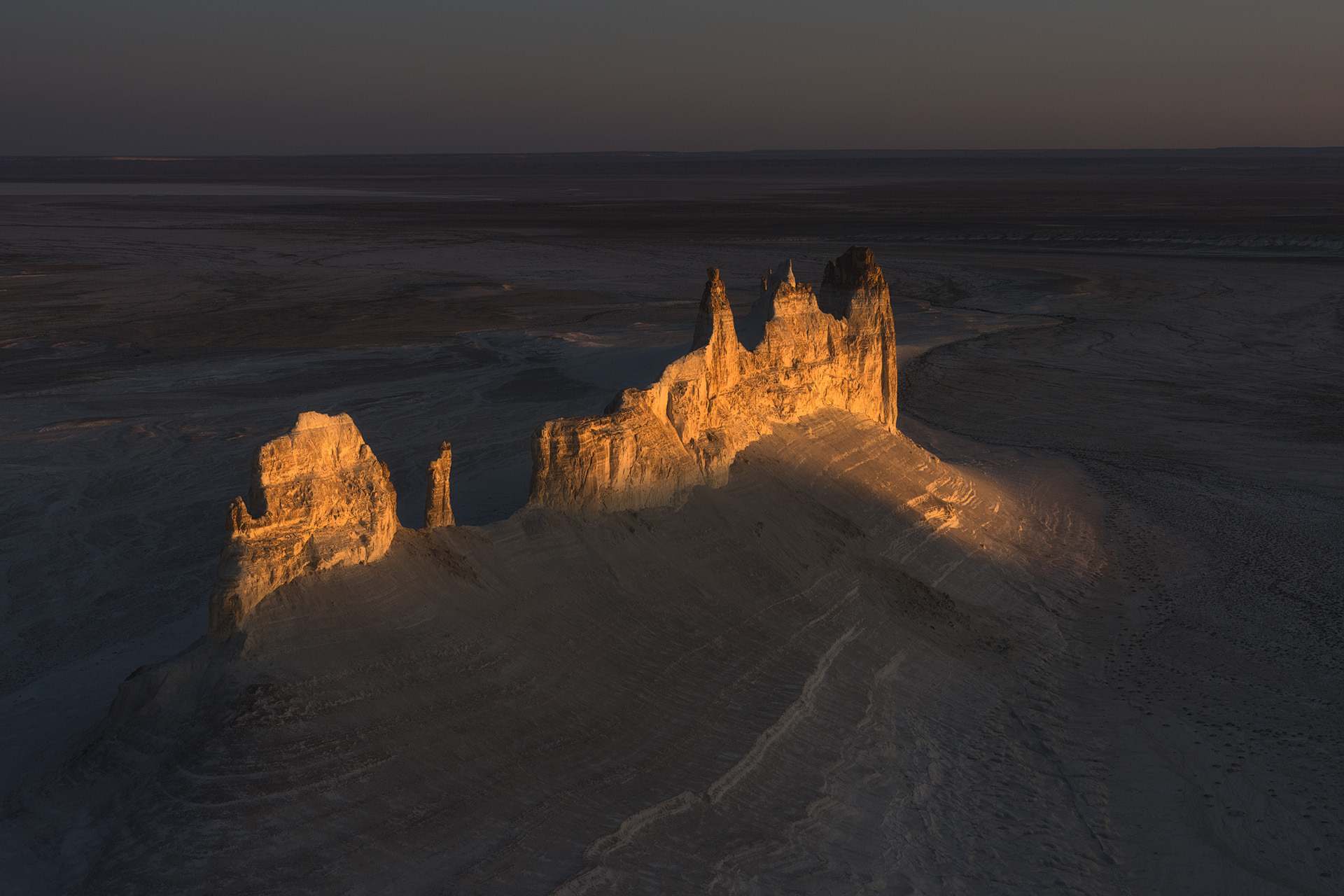
I have a social profile on Instagram and one on Facebook but I am present on platforms more dedicated to photography such as 500px oneeyeland or 1x. Just go to any search engine and type my name: something comes up. Thank you very much for this opportunity you provide me.